
Cougars in Connecticut ?

Yes there are cougars in Connecticut

Do, I hear snickering? Yes, Connecticut has the two-legged variety. And yes, at times, they are fur bearing, and may bite. But this post is strictly about the four-legged kind.

For years, some folks, including myself, have been fairly certain that cougars were occasionally visiting our state. There were simply too many reports. Bantam Lake area, Talcott Ridge, Nepaug Reservoir, Berlin. And why not lions? Cougar scat and DNA had showed up at Quabbin Reservoir back in 1997 – only 20 mile north of the Connecticut line. But the skeptics were very vocal. Hell, you’d think we were suggesting Sasquatch lived in Simsbury.

Ok, the doubters now have to eat crow. Back in June a young, male, mountain lion was killed by a car in Milford. Turns out our peripatetic puma had wandered all the way from the Black Hills of South Dakota. Sorry about that lad.

This wild cat has created a ton of interest. So I’ve been working to arrange a  lecture on mountain lions. The speaker will be Chris Spatz, president of the Cougar Rewilding Foundation. Date: Wednesday, October 26, 6:30-8 PM at North Cove Outfitters on Main Street in Old Saybrook. Free admission, although a 5 buck donation to the Foundation is suggested. Contact me for more information, or call North Cove at 860-388-6585
 

Posted in On the Road, Wild Things | Leave a comment

The False Albacore

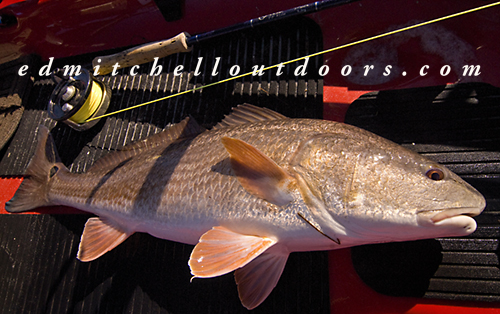
“Albie” from a Driftboat

When fly anglers talk about the strongest fish pound-for-pound, you’ll hear alot of different opinions. Some say its this species; some claim its that. But if you’re talking Northeast saltwater fish, the answer is pretty clear. Its the Euthynnus alletteratus– the little tunny, also called the false albacore, or “albie”.

Its found both in green and bluewaters, usually appearing in summer. The “albie” is a voracious feeder, that attacks in packs, often smashing through schools of bait at flank speed. A 6 pounder is considered small, but still a handful on a fly rod. Anything nearing 10 pounds becomes a slugfest. And anything over 10 becomes a full fledged war.

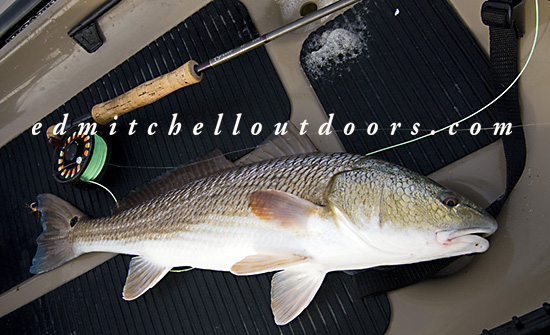
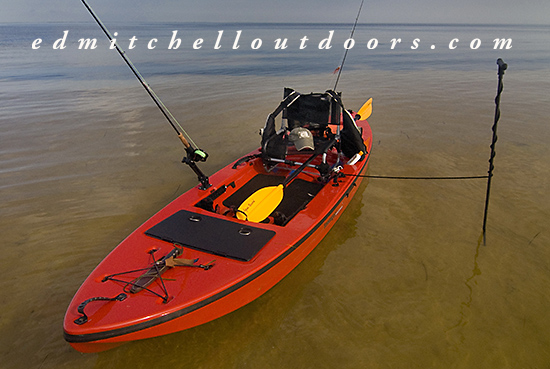
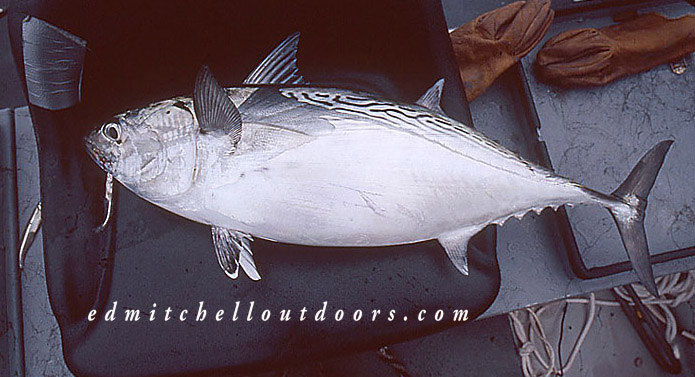
The biggest challenge for the New England fly rodder is catching an “albie” from shore. Yes, it can be done; it requires a great deal of patience and much planning. Still some “sharpies” do it a dozen, or more, times a year. Things are far easier from a boat. But the good news is you don’t necessarily need a big one. If you can find a protected piece of water where the fish show with some regularity – a canoe, kayak or rowboat will do just fine. I caught the one above from my driftboat.

PS. This “albie” spit up a pile of silversides. You can see two of them in the photo above. One is on the seat next to its mouth. The other one is on the floor to the left.

Posted in Fly Fishing in Salt Water, Wild Things | 2 Comments

Photography is Easy

Photography is Easy

Photography is easy. Right? Just point and shoot, man. Anyone can do it. Even a child can “click” the shutter. So is everyone a good photographer? Naaa. That would be like saying anyone with a saucepan is a 4 star chef.

The ease of operation of a point-and-shoot camera belies the fact that consistently taking effective photographs is far from easy. A good photographer engages the world with creativity, emotion,and intellect. And you can’t buy those things on any camera in the world. Forget about it.

So where does one begin? Well, the road to photographic success is a long one. But let me at least say this: Step one is to become a keen observer.  Take time each day to study the world around you. And do it will a quiet mind, without a head full of extraneous thoughts. Chill out. Sensitize yourself to light, color, and form. Embrace the rich visual beauty that surrounds us. Hey heaven may be right here on earth. And if you do that long enough,you will learn to truly see. Yeah amigo, then you’ll really have “eyes”.


Posted in Photography | 2 Comments

Rain at the Range

Rain at the Range

A ton of people entered the shooting sports in the last few years. And as a result, its tougher and tougher to get a reservation at the range. Adding to the hoopla, many of these newbies show up late and are slow setting up and getting their targets out. Royal pain in the arse.

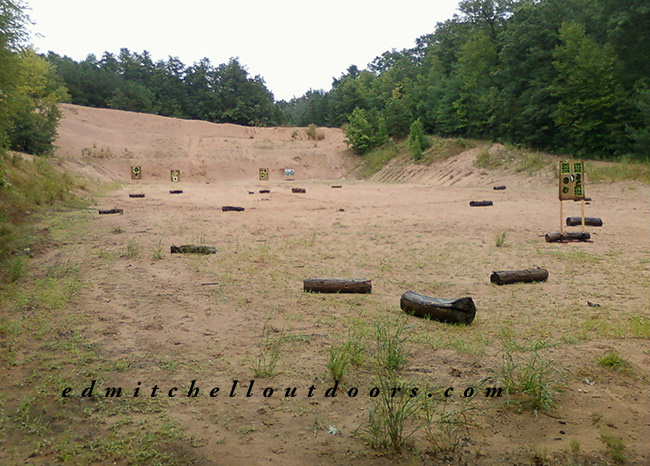
But yes, there’s an Ace-in-the-Hole – bad weather. If it gets a little cold, windy or wet, these would-be outdoor marksmen bail. Need proof? The picture above was taken on a misty, damp day. Look down range. Only five targets, for a place that typically packs in 20 shooters at a clip.  Hey, I’m praying for rain at the range.

Posted in Shooting Sports | Leave a comment

Imitating Forage Fish

Juvenile Sea Herring

This underwater picture comes to you from Menemsha Inlet on Martha’s Vineyard. The forage fish are juvenile sea herring. They are swimming less than a foot under the surface. The water is quite clear, and the month is June.

As this image shows, when making a forage fish imitation, size and shape are the two most critical characteristics. Note too, that as these silvery forage fish feed on plankton in the current, they reflect light. Bingo, flash is an important deal too. In fact, in some cases, flash may be what a predator sees first. Discover anything else in the picture? The herring’s eye is visible as a contrasting black dot. So eyes on your flies count.

Ok, any surprises? Yeah, color is missing. Underwater, things live in a blue-green world.  Hence, colors, especially red, are muted at best. The only exception being in shin deep, clear water on a flat. So holding a forage fish in your hand, in broad daylight, does not give you an accurate idea of how that same fish appears underwater.

The upshot is: Don’t worry about making forage imitations with subtle color transitions. Yes, it may make you all happy at the vise; but the fish don’t give a hoot. Any colors offer an advantage? Yes, white or black can supply your imitation with  a strong silhouette. And chartreuse is a powerful ally. It transmits boldly in a blue-green world, offering game fish a prime target.

Lastly. Check out the countershading bizz. By nature, forage fish are dark on back and light on the belly. But near the surface, that relationship is visually reversed. Food for thought next time you’re at the vise.

Posted in Flies and Fly Tying, Fly Fishing in Salt Water, Wild Things | Leave a comment