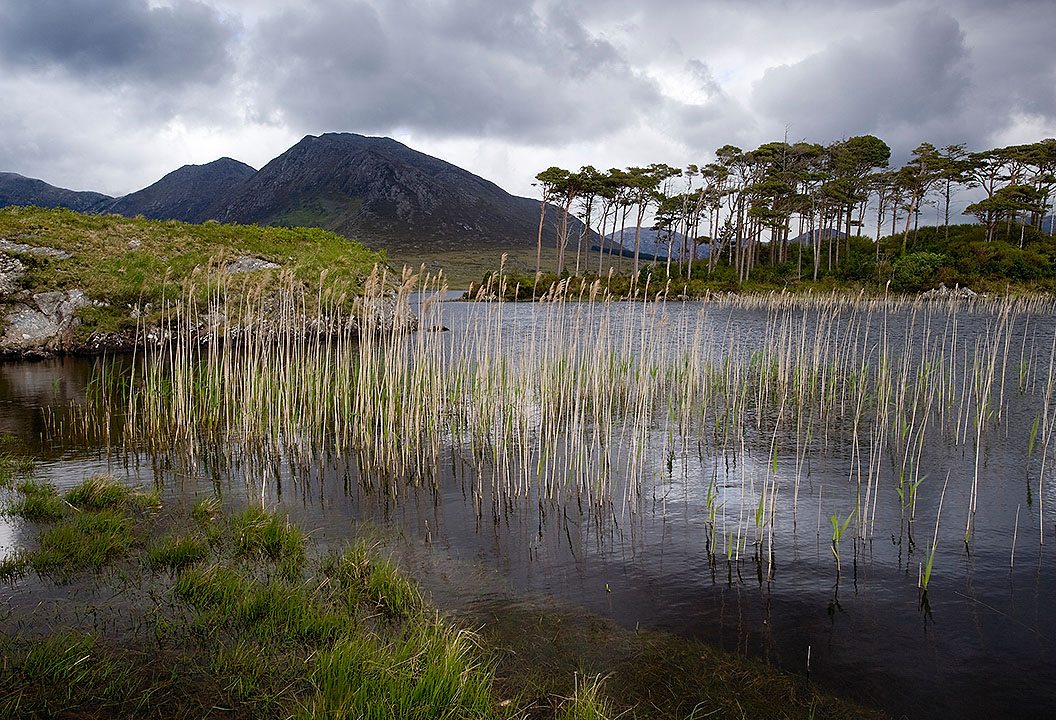
The Flats have Heated up – Literally

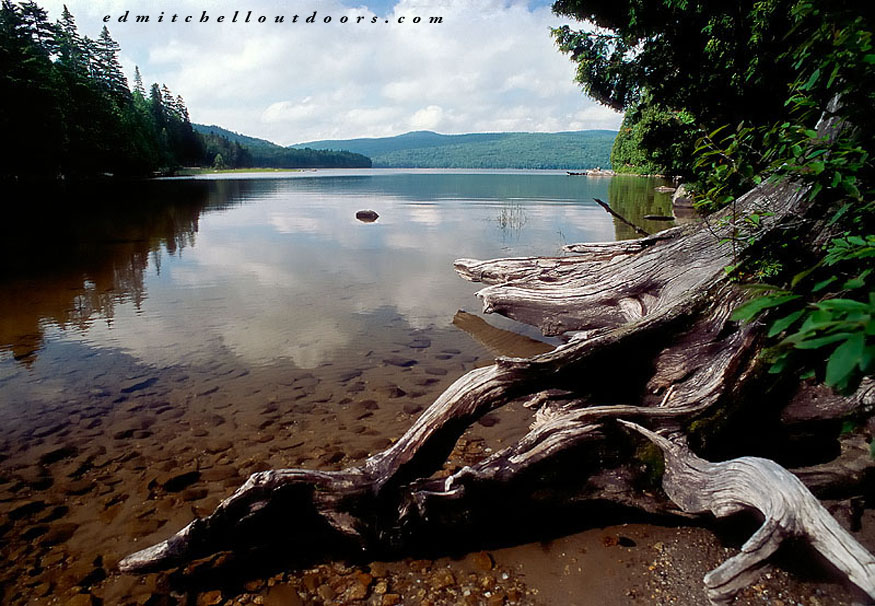
We have had record, or near record heat, for closing in on a week. Yesterday, the Gulf of Mexico was a rocking 91 degrees! And the skinny water up inside the Harbor is even hotter. Hell things cook at 112! Yes, the flats have heated up – literally.

The fishing pundits say the fish have all moved out to deep water, and that anglers must do the same. They might be right. The fishing on the flats has been dismay.

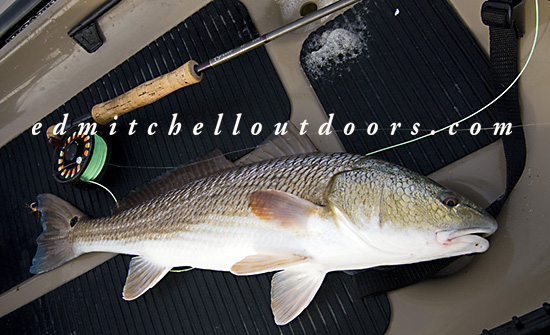
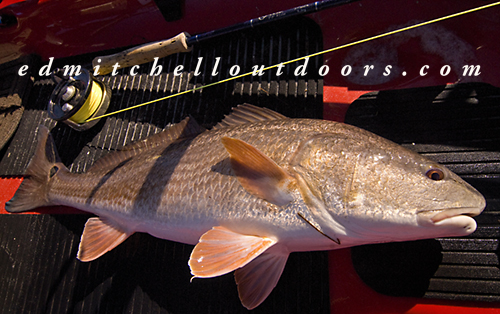
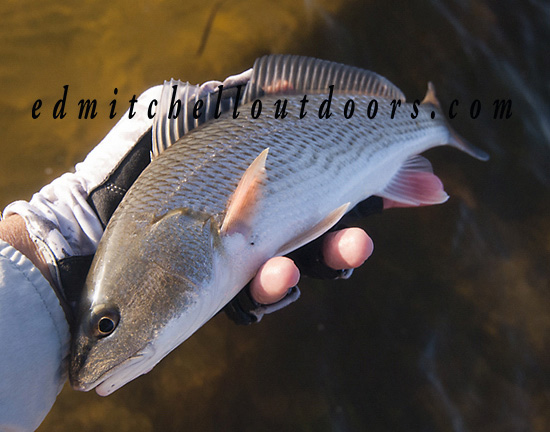
Runt Red

Runt Red

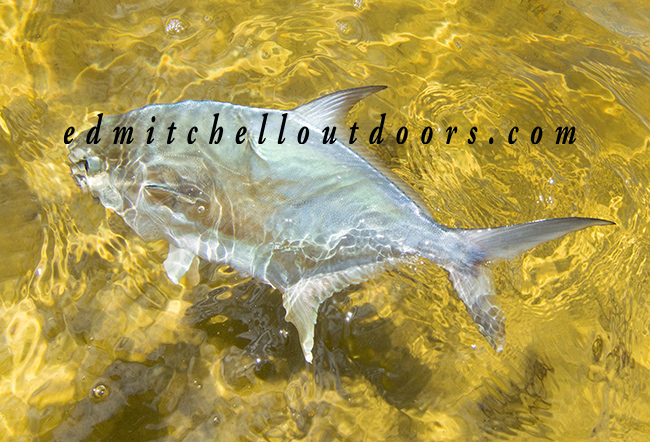
Saw a few fish yesterday, including a pompano, and a school of reds on the first of the incoming. So all is not lost. Today I caught a runt red and a small snook. Maybe if we get a heavy rain at night, the flats may cool a bit. Can’t wait for fall.


Posted in Fly Fishing in Salt Water | Leave a comment

On the Flats with the Super Moon Blues

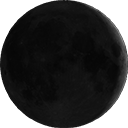
Did you seen the moon the last couple of night? It was a super moon. Not only was the moon full, it was in perigee. Which is to say the moon was at its closest point to the earth, some 221,765 miles away. That’s 30,ooo miles closer than a moon in apogee.

Super Moon

Super Moon

Soon after I first got down here, anglers told me flats fishing was alway poor the day after a bright moon night. Well, it hasn’t proven to be right 100 percent of the time, but its true more often than not. Believe me.

Why would a bright moon ruin the fishing the next day? The commonly held belief is that a bright moon allows game fish to feed all night. So the next day, fish aren’t hungry. Frankly that doesn’t make a ton of sense to me. In fact the opposite may be true. Under a bright moon game fish may feed less on the flats. Why? Without the cover of darknes, game fish would have a harder time catching forage. In response, game fish may actually drop off the flats to feed in the darkness of deeper water. Hence there are less fish on the flats the following day. Just a guess.

How was the fishing the days during the super moon? Awful. On the flats with the super moon blues.

Posted in Environment, Fly Fishing in Salt Water, Looking Upward, Wild Things | Leave a comment

Short Fly Rods are a Hoot

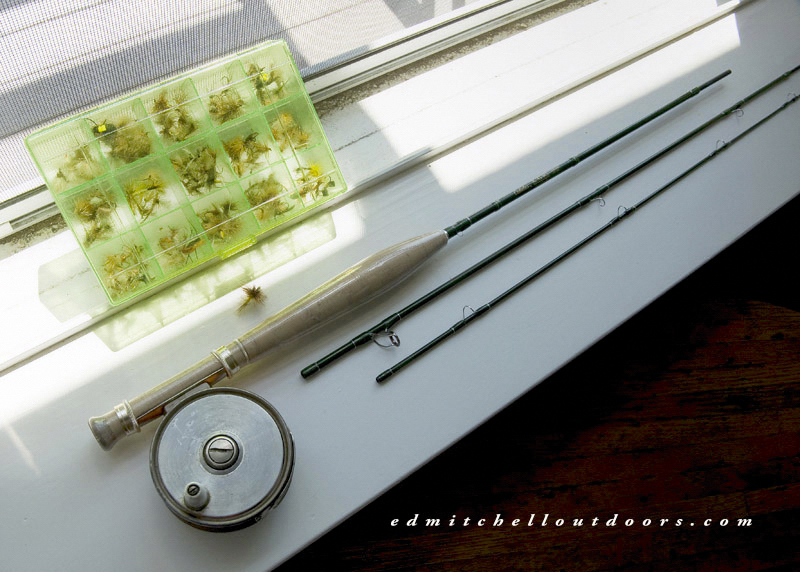
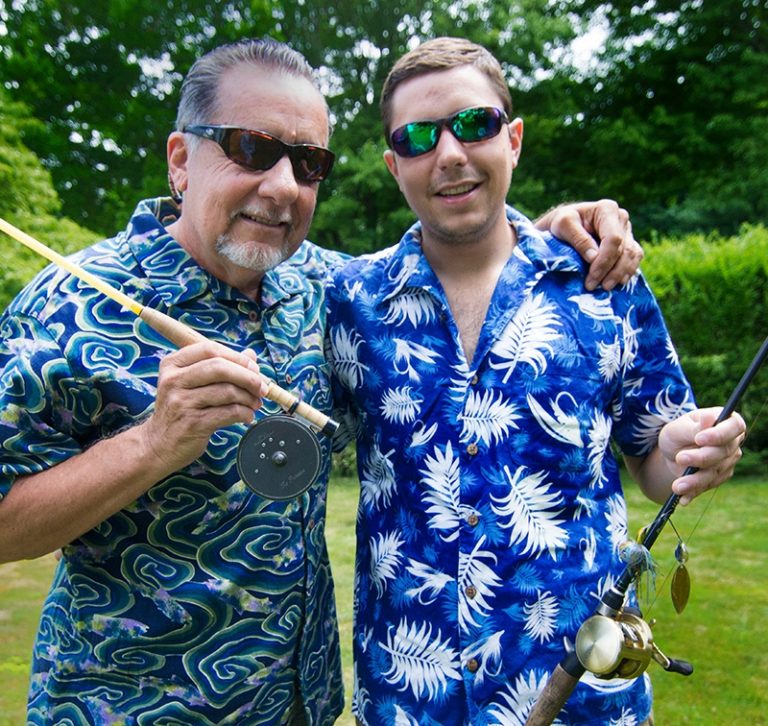
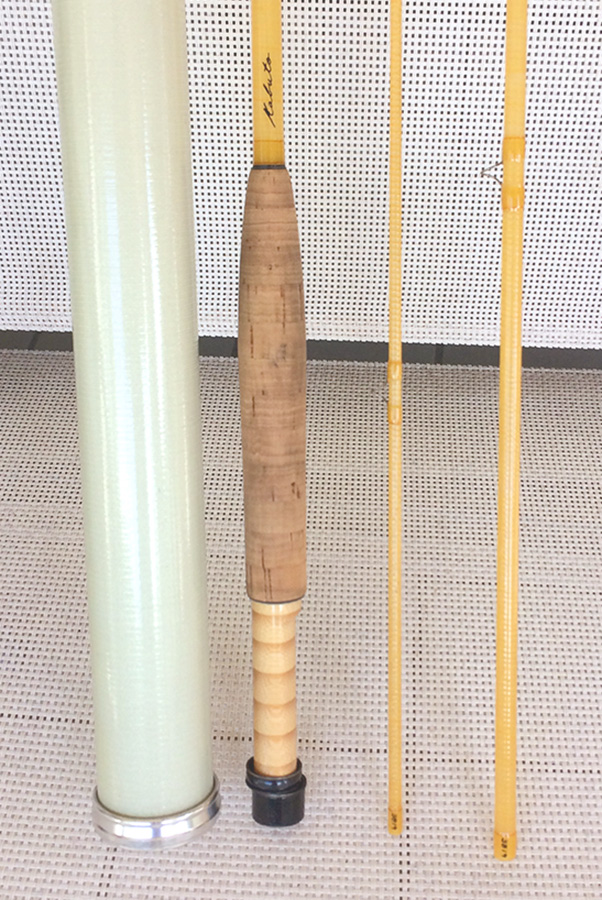
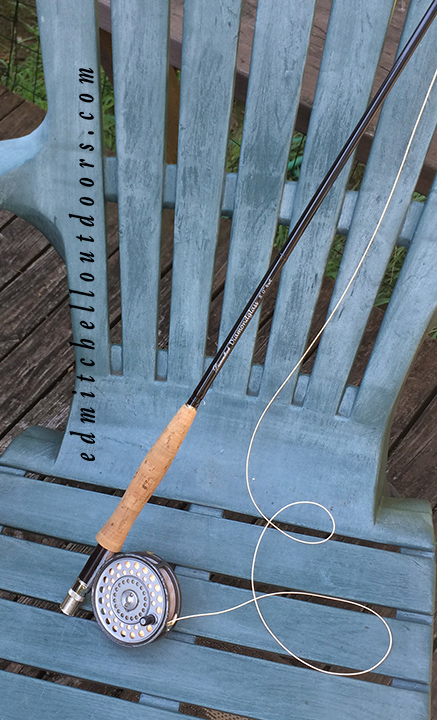
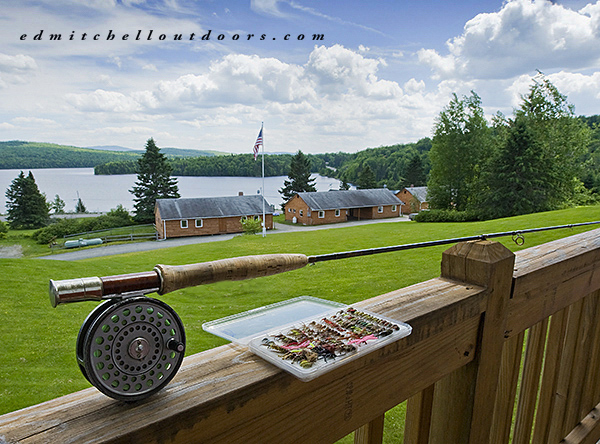
Short Fly Rods are a Hoot: If there is a trend in fly rods these days, it’s toward longer ones…..Switch, and Spey come to mind. These elongated sticks have their merits, I suppose, but lets take a look at the other end of the spectrum – short fly rods. These days, you rarely hear much about them. Yet they are useful and fun.

Short Fly Rods are a Hoot

Short Fly Rods are a Hoot

So what constitutes a short fly rod? In my opinion it’s any fly rod under 8 foot. Angler often call them Bantams, Flea Rods, Flea-Flickers, Midge Rods, or Peewees. These things have been around for a God’s age, at least dating back to H.L. Leonard’s 36L Baby Catskill. Payne, Young, Orvis, Hardy, Garcia, Fenwick, Sage, Scott, Winston – to name a few – all make them at one time or another.

Some folks bad mouth short rods. Their beefs fall into three areas. First they will tell you short rods are lousy fish fighting tools. Really? Tell that to Lee Wulff. Actually short fly rods are excellent fish fighting tools as long as the anglers at the far end know what they are doing. Next you’ll hear that you can’t cast very far with a short rod. Okay, some truth there. Short rods are rarely distance machines. Typically they are most effective out to about 35 feet or so.  But, frankly most trout fishing is done inside that range. So this is not a big deal. And lastly people point out that short rods make it difficult to “mend” line. True enough. But you can compensate by improving your “reach”cast, and your”curve” cast.

So why plunk down your hard earned moola on a short fly rod? Well they are clearly the choice in tight quarter; yes, you can actually do a ‘bow & arrow” casts if needed. Short rods are also super accurate. Believe me they are precision machines. Particularly useful when fishing in close such as a “spinner” fall. And because of their low profile, they are very sleathy too. Trout are less likely to see them waving around. And the forward cast travels lower over the water, so it lands lighter.  Short rods are also easier to store, and easier to rig up. They make landing fish easier too.  And they are more fun with a fish aboard. Yeah, short rods are a hoot.

Posted in Fly Rods, Gear | Leave a comment

Lunch in Matlacha

Andy's Seafood

Andy’s Seafood

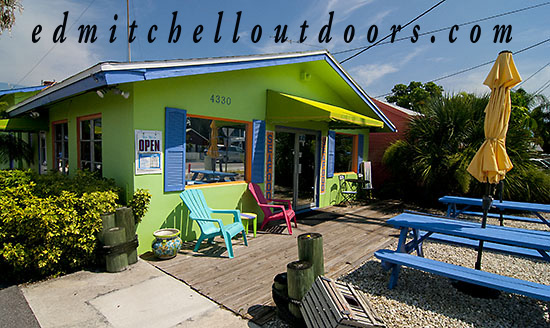
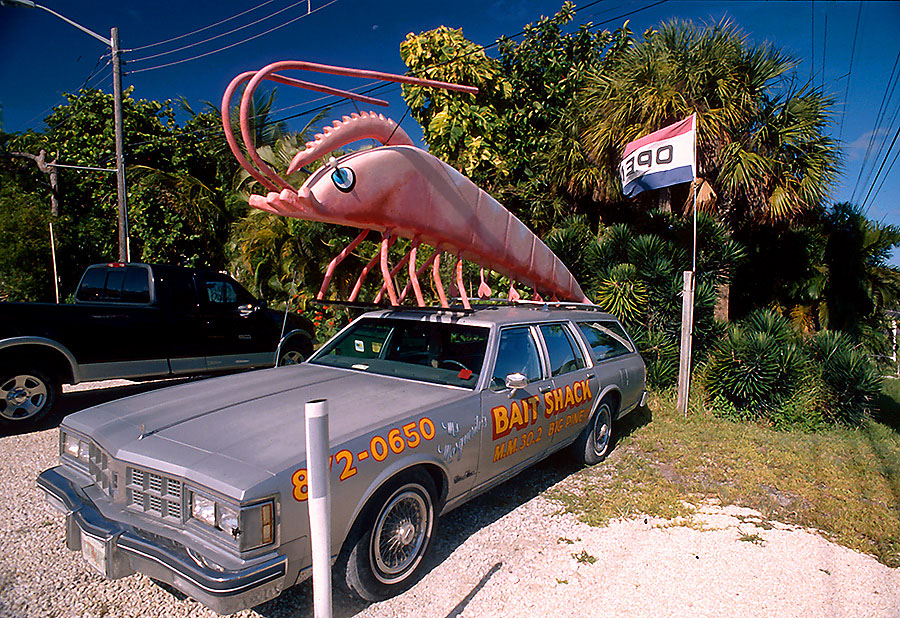
Took a lady to lunch today in Matlacha. We ate at Andy’s Seafood by the drawbridge. Quiet spot this time of year. In fact we were the only sit-down customers. Andy’s has some of the freshest fish anywhere in Florida. Why? They catch their own. Fabulous grouper sandwich! Try it sometime.

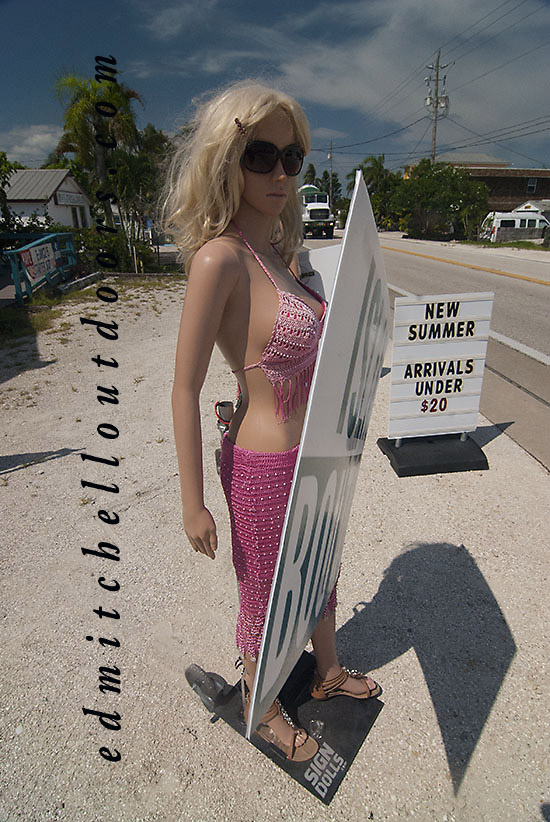
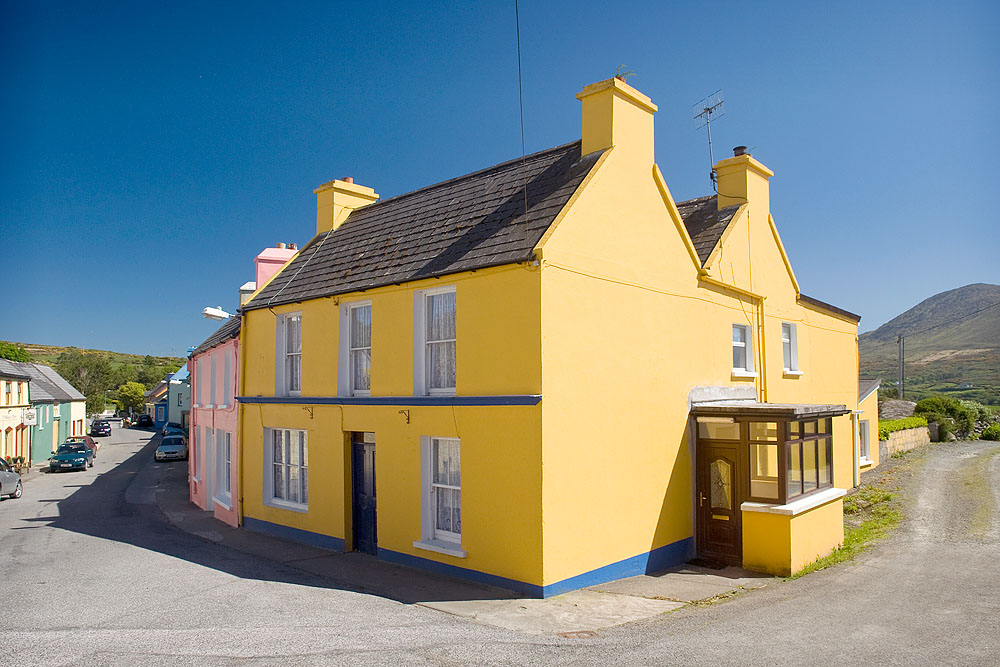
Despite the tropic heat, Matlacha remains a very cool place, with lotsa color, local Art, and loaded with eccentric vibes.  Down right funky Caribbean feel. Anything goes attitude. Hippies,rednecks, musicans, anglers, and artist.  Check out this main street mannequin. And check out this store front. Now there’s an interesting mix of goods.

Matlacha Mannequin

Matlacha Mannequin

Art and Stun Guns

Art and Stun Guns

Posted in On the Road | Leave a comment

A Heddon Riptide Saltwater Bamboo Fly Rod

Five years ago I did a piece for Fly Fishing in Salt Waters magazine, entitled Cane on the Coast. (A copy here.)  The article chronicles the early history of bamboo fly rods in the salt, covering from about 1900-1950. Which are the same years saltwater fly-fishing first came to light.

In the story, I highlighted a Heddon Riptide saltwater bamboo fly rod. It  is a 9-foot, 3-piece, 2-tip, cane rod built in the 50’s specifically for the brine.  I found it on consignment in a fly shop in the late 1980’s. The  rod was in perfect condition. I think the asking price was near $200 – half of what a high-end graphite rod cost at that time. It was a deal considering the rod had just been refinished at a cost of $100. Apparently the rod’s owner had prepared the rod for a trip to Anticosti Island, but guides and friend convinced him to swap it for something more modern.  My good luck.
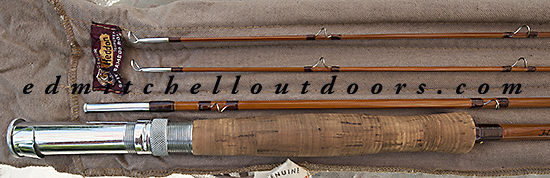
Heddon Riptide Saltwater Fly Rod
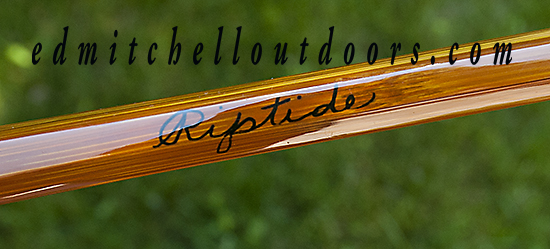
Heddon Riptide Saltwater Fly Rod

Heddon Riptide

Heddon Riptide

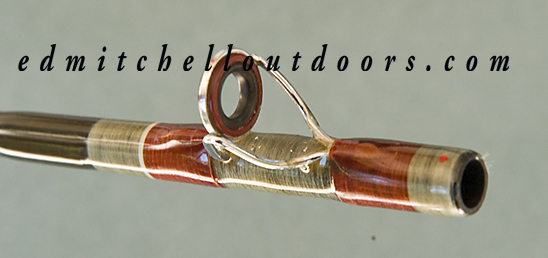
It is a beautiful fly rod. True eye candy. Heddon cane rods do not demand top dollar from collectors, but not one argues the quality of Heddon rods. They were exceptionally well-made. The rod is tempered, which strengthen the strips and gave them a rich, deep color. The fittings are stainless steel or heavy chrome to ward off the ravages of the salt.  A half-wells grip joins a sturdy down-locking reel seat, capable of accepting a butt extension. The extension is quite long, and follows the style favored by salmon anglers in those years. A tag on the rod sock says the rod weighs 5 1/2 ounces without the reel seat. With the seat it likely falls between 6 and 6 1/4 ounces.
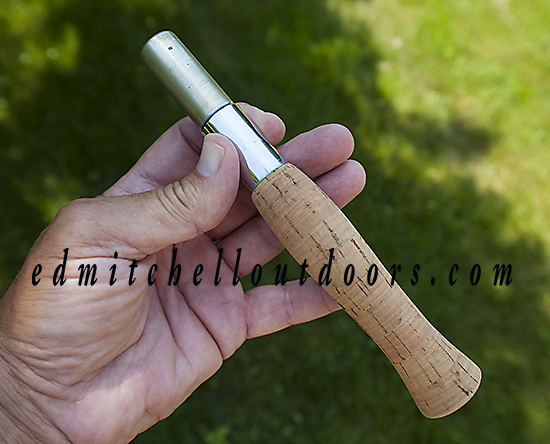
 

Heddon Riptide Butt Extension

Heddon Riptide Butt Extension

Prior to the 1960’s, fly lines were rated using an alphabetical system. The system was not based on line weight, but rather on line diameter, and ran from “A” to “I”.  Since weight and diameter don’t always go hand and hand, translating between the old system and the new is a bit tricky. But we can venture this. An “A” line was approximately equivalent to a today’s 9-weight.  A “B” to an 8-weight line. And a “C” to a 7-weight. So on and so down to “I”.
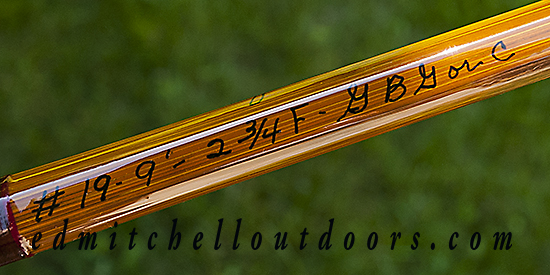
Heddon Riptide GBG

Heddon Riptide GBG

As you can see above, the Riptide was rated for either GBG or C line. Lets call that a double taper 8-weight, or a level 7-weight. I fish it with a modern 8WF. To the left, in the photo  you see that the Riptide was also known as the model 19#. The “9” is for 9-foot. The “2  3/4 F” refers to the size of the butt ferrule, of which was probably the largest Heddon made.

In the process of doing a feature  on Harold Gibbs (copy here),  I went up to Cape Cod and interviewed Al Brewster. He was in his 90’s at the time and still very lucid. Al had a wealth of information on the early days of saltwater fly-fishing along the New England coast.  And he was good friends with Harold Gibbs. (Unfortunately Al has since passed on.) He told me that the Riptide was a respected rod in its day. And that he owned and used one at one time. He told me Montague cane rods were popular too. Gibbs preferred Orvis rods.

The Riptide followed me to Martha’s Vineyard several times. Where it saw occasional light-duty. Outfitted with a Medalist 1498 reel and an 8-weight line, I took it along Lobsterville Beach, and Dogfish Bar, in early evening, casting for striped bass. Big cane rods tend to feel a touch tip heavy, and this rod is no exception. Still it casts well and covers fish out to about seventy-five feet. When twilight arrived, I always returned the Riptide to the car. Swapping it for my trusty Sage RPL+ (here).

Believe me there is a special thrill in using antique tackle. Whether its an old cane rod or  vintage fiberglass, these rods are time machines, transporting you back to the roots of our sport. Try it sometime. I think you’ll enjoy it.
 

Posted in Fly Rods, Gear | Leave a comment